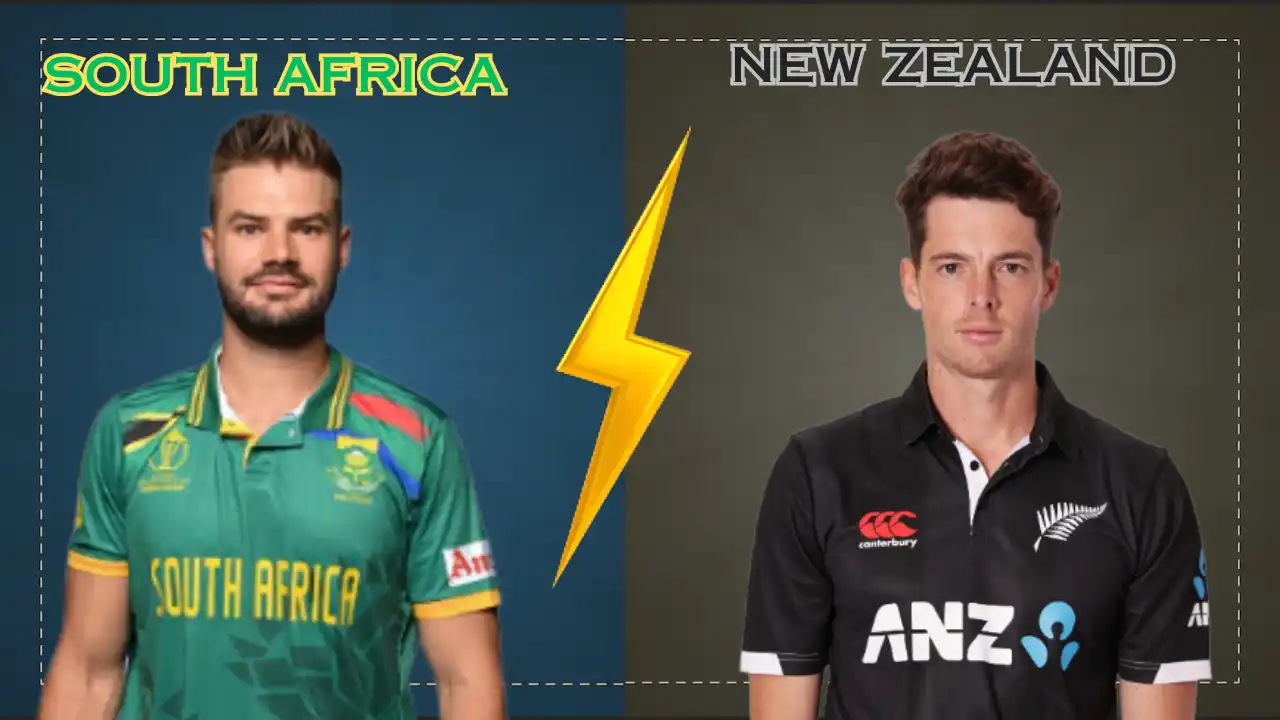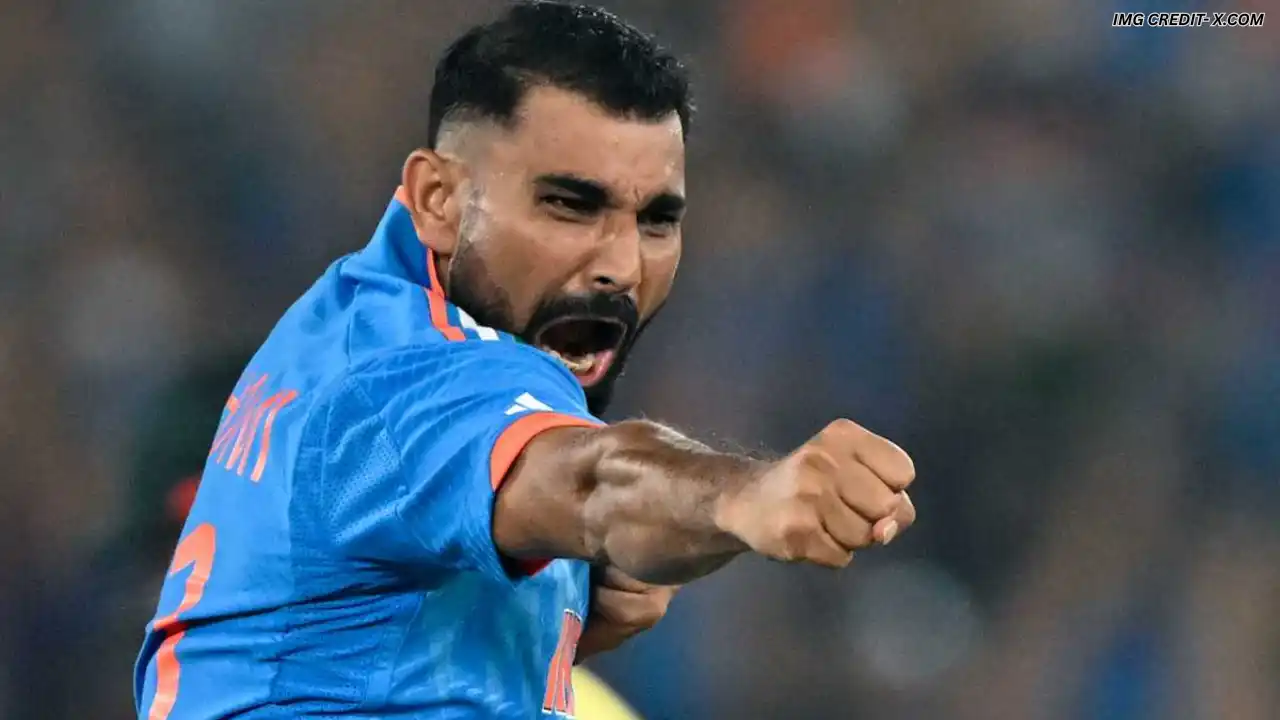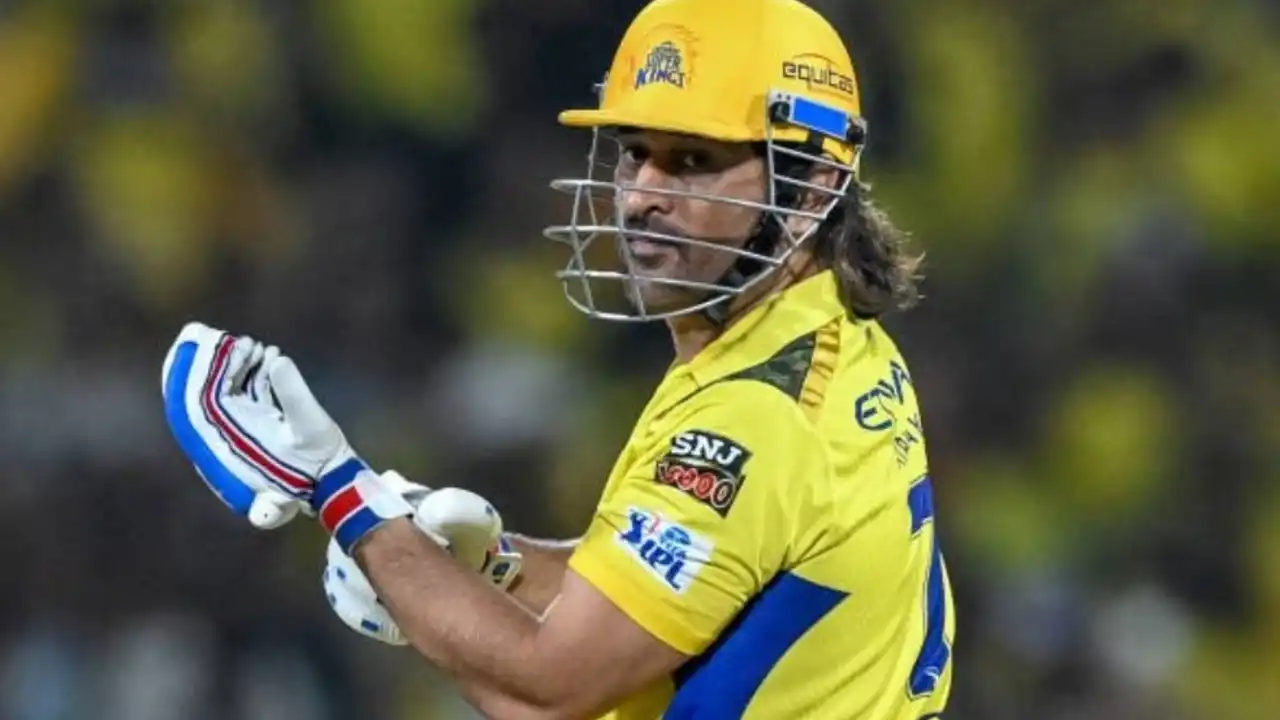
IND vs ENG Dream11 Prediction: The ICC Men’s T20 World Cup 2026 reaches its business end on March 5 as India host England in the second semi-final at Wankhede Stadium, Mumbai. This marks the third successive edition in which the two sides have met at this stage. England prevailed by 10 wickets in 2022; India responded with a 68-run victory in 2024. The winner will advance to face the victor of the first semi-final on March 8 in Ahmedabad, with India aiming to become the first side to claim a third title and England seeking their second.
Both teams arrive with contrasting campaigns. India, the defending champions and pre-tournament favourites on home soil, have relied on individual brilliance rather than consistent collective performance, highlighted by Sanju Samson’s unbeaten 97 off 50 balls against West Indies that secured their semi-final berth.
England, meanwhile, have shown resilience through tight victories, including a dramatic recovery against New Zealand, and enter on a five-match winning streak. The venue adds another layer: Wankhede has hosted memorable India-England encounters, including Abhishek Sharma’s explosive 135 off 54 balls here just over a year ago.
IND vs ENG Pitch & Conditions Analysis
Wankhede’s pitch for this semi-final carries a deliberate green tinge, retained to hold moisture on the red-soil base. Early in the innings, pacers are likely to find seam movement and consistent extra bounce, making the powerplay a phase where disciplined new-ball bowling can create early pressure. As the surface settles, batters should trust the carry and play through the line, with short boundaries amplifying scoring potential.
Historical T20 data at the venue shows first-innings averages typically ranging between 170 and 190, though high-scoring games above 200 are commo.n under lights. Dew is a notable factor in evening matches here, often making chasing preferable once the ball gets wet and grip reduces for spinners.
In this context, teams may favour batting first to set a total, but the toss winner will need to weigh early bowler-friendly conditions against the dew-assisted second innings. Spinners can expect some grip in the middle overs, particularly if the grass wears, while death bowlers who can execute yorkers and variations will hold high value.
These conditions suggest balanced combinations: genuine pace for the start, variety in the middle, and reliable death options. Sides heavy on spin may need to adapt, while teams with left-arm pace and mystery variations could exploit match-ups effectively.
IND vs ENG Team News & Tactical Notes
India are expected to field an unchanged XI after the West Indies win, with Sanju Samson retaining the wicket-keeping gloves following his match-winning knock. The side features a left-hand-heavy top and middle order, which could influence England’s spin selection.
IND vs ENG Expected Playing 11
India probable XI: Abhishek Sharma, Sanju Samson (wk), Ishan Kishan, Tilak Varma, Suryakumar Yadav (c), Hardik Pandya, Shivam Dube, Axar Patel, Arshdeep Singh, Jasprit Bumrah, Varun Chakravarthy.
England probable XI: Phil Salt, Jos Buttler (wk), Harry Brook (c), Jacob Bethell, Tom Banton, Sam Curran, Will Jacks, Jamie Overton, Liam Dawson, Jofra Archer, Adil Rashid.
England have opted for Jamie Overton in place of Rehan Ahmed, recognising that conditions at Wankhede are less likely to demand two leg-spinners against India’s left-hand batters. Key tactical battles include Jasprit Bumrah’s flexible deployment against England’s struggling opening pair (Salt and Buttler have managed limited stands), and the spin contest where Varun Chakravarthy’s mystery deliveries face Harry Brook’s stabilising presence at No. 3.
Hardik Pandya’s slower bouncers and Arshdeep Singh’s wide yorkers will be crucial at the death, while England will look to Will Jacks’ off-spin against India’s left-handers and Sam Curran’s all-round utility in high-pressure phases.
IND vs ENG Dream11 Prediction – Best Fantasy Team
On a pitch offering early assistance to pacers and potential dew later, top-order batters who can convert starts into substantial scores carry particular value. Their ability to accelerate without excessive risk in the first six overs often yields consistent points. Death bowlers represent high-risk, high-reward selections; successful execution of yorkers or variations can deliver multiple wickets and economy bonuses, but missed lengths can prove costly.
All-rounders gain importance here due to their dual contributions across phases. Players likely to bowl their full quota while batting in the middle or lower order provide a buffer against batting collapses or bowling restrictions. In small-league contexts, prioritising high-ownership performers with proven roles offers stability. For differentiated approaches, consider players whose recent output or venue familiarity creates variance, such as those returning strong figures after patchy form or specialists suited to early movement.
Wicket-keepers with batting responsibility add flexibility, especially those positioned to anchor or accelerate. Spinners should be evaluated based on expected middle-overs grip rather than blanket inclusion, as dew may reduce effectiveness in the second innings.

IND vs ENG Dream11 Suggested Combinations
IND vs ENG Dream11 Balanced Team
| Role | Players | Key Impact & Strategic Value |
| Wicket-keepers | Sanju Samson, Jos Buttler | Provides elite ball-striking and leadership behind the stumps. |
| Batters | Suryakumar Yadav, Tilak Varma, Harry Brook | Focuses on high strike rates and adaptability in the middle-overs. |
| All-rounders | Hardik Pandya, Sam Curran, Will Jacks | Ensures batting depth and versatile bowling options for different phases. |
| Bowlers | Jasprit Bumrah, Arshdeep Singh, Jofra Archer | High-pace and swing variety suited for early bounce and death-overs control. |
IND vs ENG Differential Dream11 Team
| Role | Players | Strategic Shift |
| Wicket-keepers | Sanju Samson, Ishan Kishan | Replaced Buttler & Tilak: Moves to an all-Indian keeping duo. Kishan adds left-handed explosive power at the top or middle. |
| Batters | Abhishek Sharma, Suryakumar Yadav, Harry Brook | Replaced Buttler (as opener): Abhishek provides high-intent opening based on venue history and domestic form. |
| All-rounders | Hardik Pandya, Sam Curran, Will Jacks | Core Retained: This maintains the vital “6th and 7th bowler” options and lower-order hitting. |
| Bowlers | Jasprit Bumrah, Varun Chakravarthy, Jofra Archer | Replaced Arshdeep: Swaps left-arm swing for “mystery” spin. This creates a lethal trio of Pace, Hit-the-deck, and Mystery. |
Fantasy sports involve financial risk. Play responsibly. Use these observations as a strategic guide only—no outcome is assured.
Captain & Vice-Captain Logic
Captaincy choices benefit from players with high role certainty and exposure across innings phases. Hardik Pandya stands out for his guaranteed four overs combined with finishing responsibilities, offering points from both disciplines regardless of match situation.
Suryakumar Yadav provides batting stability in the middle order on a ground where he has long excelled, with consistent opportunity to build innings. Jasprit Bumrah’s ability to operate in powerplay and death overs makes him a reliable wicket-taking option when early movement is available.
Vice-captain selections can hedge with slightly higher-variance players such as Will Jacks (off-spin utility and batting aggression) or Sanju Samson (in-form wicket-keeper batter). These roles ensure coverage if the primary captain underperforms while maintaining overall balance.
Final Thought
This semi-final will likely be decided by execution in the powerplay and death overs rather than any single dominant phase. Teams that adapt quickly to early seam, manage dew impact, and utilise all-round contributions effectively will hold the edge. Both sides possess the resources for a competitive contest; the outcome will hinge on which combination best exploits the venue’s characteristics on the night.