Imagine the scene: The sun is setting on day five at the Wankhede, the crowd is on its feet, and a single delivery could decide the fate of the match. That’s the magic of Test cricket—the longest, toughest, most rewarding format in sport. But while millions watch in silence as a bowler runs in for the final spell, very few think about what that player is actually earning for those five exhausting days.
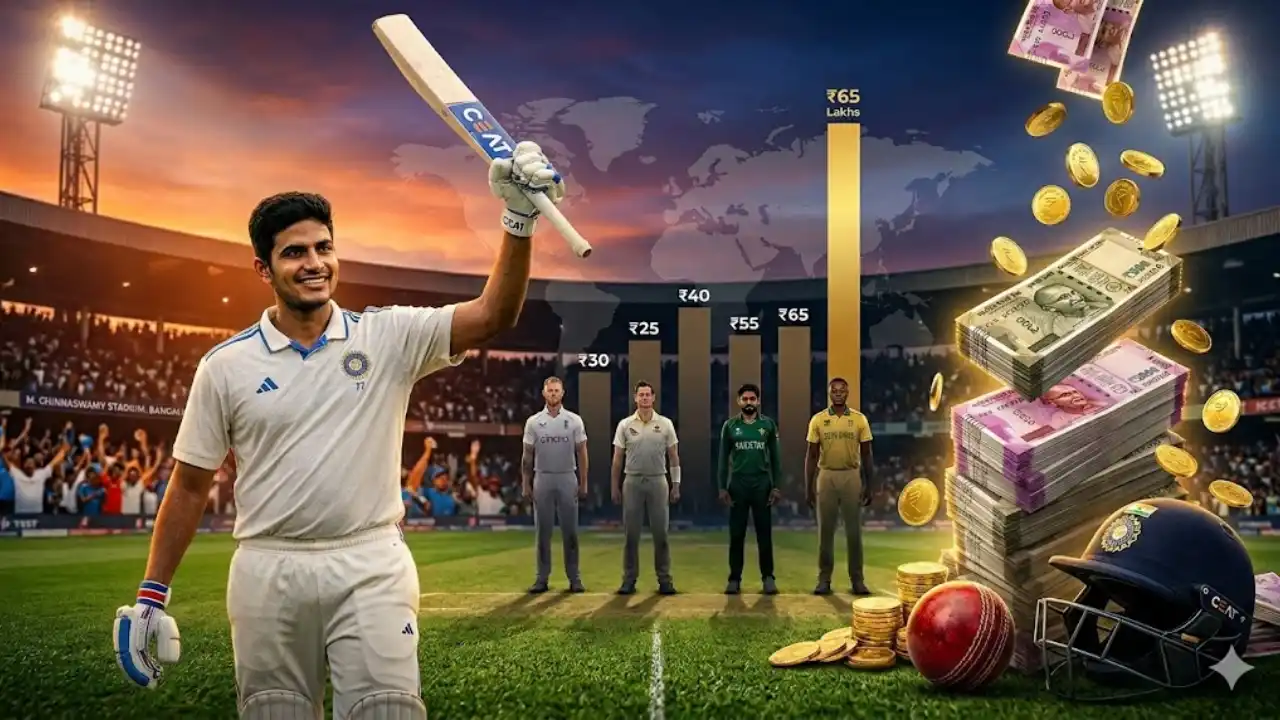
A viral graphic comparing Test match fees across countries recently lit up social media, showing eye-opening differences between the top nations and the rest. The numbers sparked heated debates: Is Test cricket becoming a luxury only the richest boards can afford? Are the best players being priced out of the format they love?
We’ve gone beyond the headlines, cross-checked the latest official figures and board policies for 2025-26, and uncovered the full story—base fees, massive incentives, gender pay progress, and the ICC’s quiet fight to keep red-ball cricket alive. The truth is more interesting (and more hopeful) than the viral post suggested.
Here’s what every cricket fan needs to know about how much players really earn per Test—and what it means for the future of the game.
Updated Test Cricket Match Fees 2025-26
Per-match fees (separate from central contracts), approximate INR for easy comparison:
- India: Base ₹15 lakh per Test. Through the BCCI’s ongoing Test Cricket Incentive Scheme, players who feature in 75%+ of India’s Tests in a season (usually 7+ matches) earn up to ₹45 lakh per game. Consistent performers regularly hit this higher bracket.
- England: £12,500–£14,500 per Test (≈ ₹13–19 lakh). Fees are fully equalized for men’s and women’s teams.
- Australia: Fixed AUD 20,000 (≈ ₹11 lakh), supported by strong domestic revenue.
- New Zealand: NZD 10,750 (≈ ₹5.5 lakh), part of their equitable pay model.
- Pakistan: PKR 1.26 million (≈ ₹3.8 lakh) after a recent increase to retain talent.
- South Africa: ≈ $4,500 USD (₹3.8 lakh), with priority given to SA20 earnings.
- Bangladesh: Base ≈ $2,500 USD (₹2.1 lakh), scaled by contract level.
- West Indies: ₹3–4.5 lakh depending on experience; many rely more on CPL/IPL income.
Why India’s System Is Changing the Game
The BCCI treats Test cricket differently. The ₹15 lakh base is solid, but the real game-changer is the incentive scheme: play regularly and your fee can triple. For top players in a full season, that translates to ₹4 crore+ from Test fees alone—serious money that keeps stars choosing whites over T20 riches. It’s one reason India’s red-ball team remains so strong.

The Real Reasons for the Pay Gap
Broadcast revenue tells the story. India’s media rights deals are worth billions, letting the BCCI reward loyalty generously. England and Australia enjoy similar financial muscle. Smaller boards face a tougher reality: Tests often lose money, while T20 leagues offer quick, life-changing paydays.
That’s where the ICC steps in. Discussions around a Test Viability Fund (proposed at around $15 million) aim to help boards provide a minimum fee—targeting $10,000 (≈ ₹8.4 lakh) per Test for players from smaller nations. It’s still evolving, but the intention is clear: give the format a fairer chance everywhere.
The World Test Championship expanding to 12 teams by 2027 is another positive signal that boards want Tests to survive and thrive.

Progress We Should Celebrate: Gender Pay Equality
India now matches men’s and women’s Test match fees at ₹15 lakh (with the same incentive opportunities). England and New Zealand pioneered full parity, and the movement is gaining ground. It’s a meaningful step toward fairness in a sport that’s changing for the better.
Can Test Cricket Stay Strong?
The pay differences are real, and they highlight the challenge: without continued support, the five-day game risks losing its brightest stars to shorter formats. But the picture isn’t all gloom. Smart incentives, ICC initiatives, and growing awareness are helping protect what makes Test cricket special.
As someone who’s spent countless nights following ball-by-ball updates from dusty stadiums to living-room screens, I still believe nothing beats a gripping Test match. A stronger global minimum fee would go a long way toward keeping the format healthy and competitive.