Imagine building your World Cup campaign around the two players sitting at the very top of the ICC T20I rankings — the world’s best batter and the world’s best bowler — only to watch both of them slowly unravel just as the tournament reaches its defining moments. That is exactly the uncomfortable reality India finds itself in as they prepare to face New Zealand in the final at Ahmedabad.
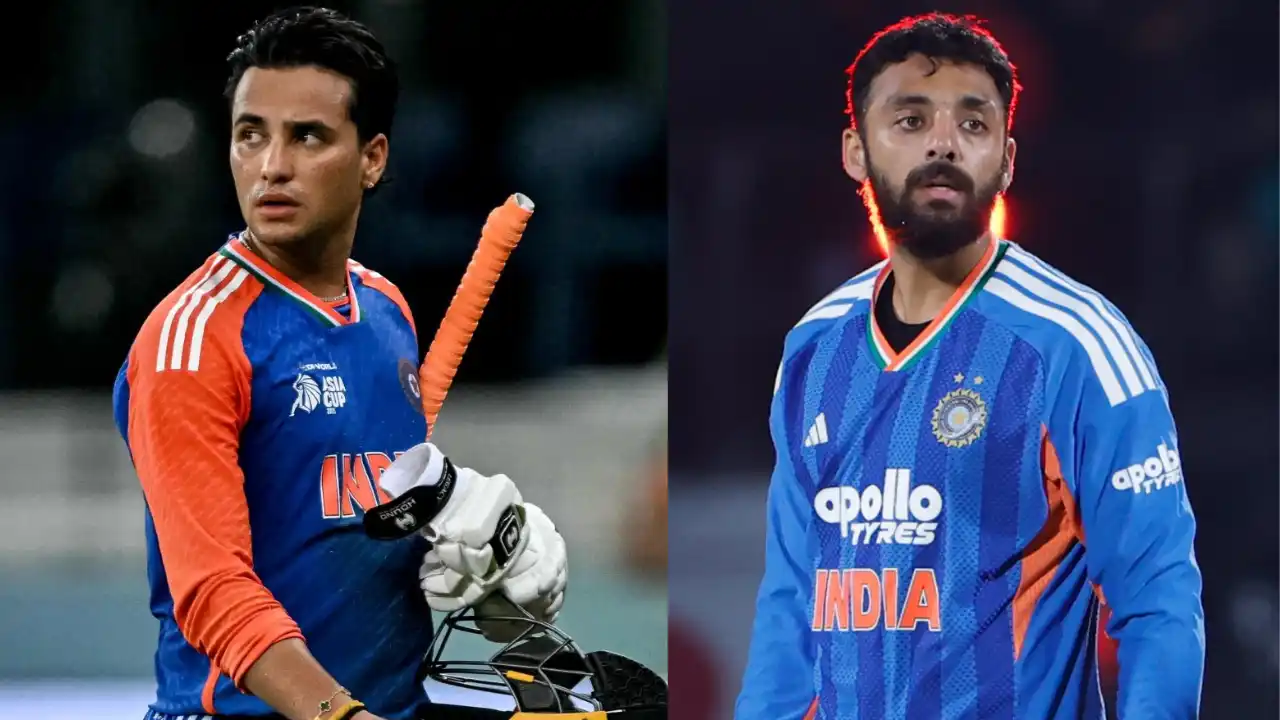
Abhishek Sharma, the explosive opener who carried the ICC No. 1 T20I batter tag into this tournament, has spent most of the campaign looking nothing like the cricketer who terrorised attacks at the Asia Cup 2025. And Varun Chakravarthy, the mystery spinner at the top of the wicket-takers chart with 13 scalps, has gone from being virtually unplayable to being treated like a batting-practice offering by teams who have cracked his code.
Two of India’s biggest weapons. Two very different problems. One final left to fix them both.
Abhishek Sharma and Varun Chakravarthy Performance in T20 World cup 2026
Abhishek Sharma Performance in T20 World cup 2026
When Abhishek Sharma arrived at the 2026 T20 World Cup, the expectations could not have been higher. Coming off a dominant Asia Cup 2025 where he lit up every innings, the young left-hander held the prestigious ICC No. 1 ranking in T20I batting — a tag that announced him as the most dangerous batter in the format, anywhere in the world.
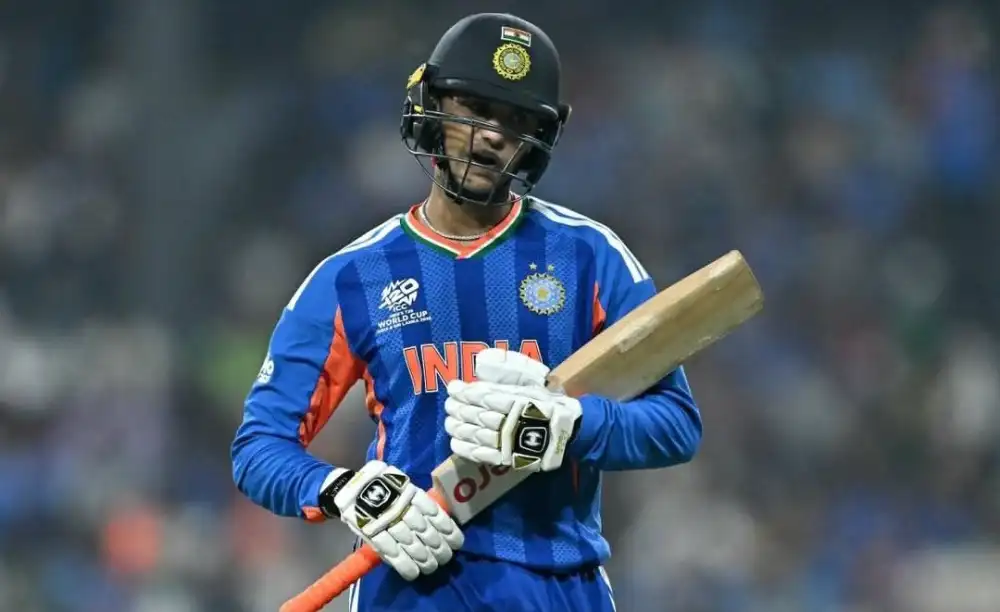
Then he got sick.
A severe stomach infection landed Abhishek in hospital just before India’s opening game against the USA. In any other situation, a player would have simply rested and recovered. But this is a World Cup. So he played.
And he made zero.
Then zero again against Pakistan.
Then zero against the Netherlands.
Three consecutive ducks in the group stage. The world’s top-ranked T20I batter, walking back to the pavilion before he had even settled in — three times in a row. The numbers don’t just sting; they confuse you. How does the best batter in the world look this ordinary?
The opposition did their homework. They quickly identified a pattern: bowl off-spin at Abhishek and watch him struggle. In this tournament, he has averaged a barely-believable 9.66 against off-spinners, scoring at just 107.40. For a batter of his calibre — someone built to demolish bowling attacks in the powerplay — those numbers belong to a tail-ender.
He showed brief glimpses of his real self in the Super 8s. A handy 15 against South Africa, a blazing 55 off 30 balls against Zimbabwe — the kind of knock that reminded everyone what this batter is capable of when the stars align. But then came the semi-final against England at Wankhede, and the off-spin trap closed shut again. He managed 9 off 7 before holing out to Will Jacks. Tournament average: 12.71.
For context, that is not an average — it is a wound.
| Phase | Scores |
|---|---|
| Group Stage | 0, 0, 0 (vs USA, PAK, NED) |
| Super 8s | 15 (12) vs SA · 55 (30) vs ZIM · 0 (1) vs WI |
| Semi-Final | 9 (7) vs ENG |
| Tournament Average | 12.71 |
The big question now hanging over the Ahmedabad final is a simple but brutal one: does India persist with Abhishek at the top and back him to rediscover his best, or do they rethink the opening combination entirely and pair Sanju Samson with someone more reliable?
Varun Chakravarthy Performance in T20 World cup 2026
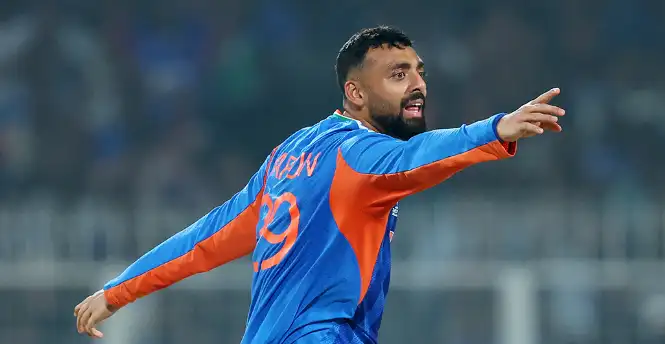
If Abhishek’s tournament has been a story of individual struggles, Varun Chakravarthy’s is something altogether different — a cautionary tale about how quickly the best teams in the world can adapt.
Coming into the tournament ranked as the world’s No. 1 T20I bowler, Varun was India’s primary weapon with the ball. His unusual, hard-to-read action — googlies, carrom balls, variations that even experienced batters admit they cannot pick — made him a nightmare to face for most teams.
In the group stages, he was precisely that. Nine wickets at an economy of 6.88 — controlled, clinical, dangerous. The “mystery” in his title felt entirely justified.
Then the Super 8s arrived, and so did David Miller and Dewald Brevis.
The South Africans made a simple tactical decision: use their feet, disrupt his length, and take him on before he could settle. It worked spectacularly. Miller and Brevis took Varun for 47 runs in just four overs. The message to every other team was clear — here is the blueprint, now use it.
England used it even more ruthlessly in the semi-final. Jacob Bethell, the young left-hander, creamed Varun for multiple sixes as if the mystery had been replaced with a menu. By the time the over was done, Varun had conceded 64 runs in his 4 overs — the second-most expensive spell in T20 World Cup history. He did pick up the wicket of Jos Buttler, but it was cold comfort for figures that told a story of a bowler being exposed on the biggest stage.
Since the Super 8s began, Varun’s economy rate has ballooned to 11.62 — the worst among all spinners who have bowled more than 10 overs in this phase of the tournament. The mystery is no longer mysterious.
India’s assistant coach Ryan ten Doeschate acknowledged the situation with measured diplomatic honesty:
“He is our attacking option, but we are aware that teams are starting to play him differently. We have some other strategies to deploy him, but he remains someone we turn to for wickets.”
Translated plainly: they know the problem. They are still searching for the solution.

Abhishek Sharma and Varun Chakravarthy Performance in T20 World cup 2026
| Player | Role | Key Stat | Note |
| Abhishek Sharma | Opener | 89 Runs (Avg 12.71) | Struggled with 3 ducks; 1 fifty vs Zimbabwe. |
| Varun Chakravarthy | Spinner | 13 Wickets | Top wicket-taker; expensive in the Semi-final (1/64). |
The Ahmedabad Test: Can They Both Rediscover Themselves?
Two players, two crises, one final. The stage in Ahmedabad will be as big as cricket gets — and both Abhishek Sharma and Varun Chakravarthy know their World Cup stories are currently unfinished in the worst kind of way.
For Abhishek, it is about recapturing the fearless, instinctive batting that earned him that No. 1 ranking in the first place. The technical flaw against off-spin is real and it has been ruthlessly targeted. But World Cup finals have a habit of producing unexpected heroes — and occasionally, they hand redemption to the players who needed it most.
For Varun, the challenge is different. His wickets have not dried up, but his ability to contain runs — the thing that makes a spinner truly dangerous in T20 cricket — has. Against a New Zealand side that will have studied his spell against England very carefully, he will need either a new trick up his sleeve or a mindset shift about how and when he bowls.
India are in the final. That much is a triumph on its own. But their two biggest individual stars from the world rankings have spent this tournament wearing the weight of expectation like a millstone.
The Ahmedabad final is their chance to finally put it down.